by Katherine McCrory
Oftentimes, it is difficult to associate the glamour of fashion with the health threats associated with air pollution. However, data indicated that the fashion industry is among the leading drivers of air pollution today, second only to the oil industry. The industry had been accused of dumping 1.7 billion tons of carbon dioxide gas into the atmosphere. The key contributors to this carbon footprint are the raw materials it uses. In 2016, for instance, the largest market share of fibers used in the industry comprised the polymer-based synthetic fibers (Fig. 1), which have their origins from fossil fuel both, as basic raw material and as a source of manufacturing power. (Source: Pandey)
In a sense, it has the same basic raw materials the oil industry produces. In 2014, 46 million tons of polyester was produced. In return, more than 650 million tons of carbon dioxide was discharged into the atmosphere. This amounts to 40 percent of all discharges attributed to the fashion industry.

Add to that the high carbon footprint of the logistics industry, which relies on fossil fuel to power transportation from the raw material sources to the retail stores. If that is not alarming enough, current habits of recycling old clothes had been observed only in less than two out of ten old fabrics (Common Objectives). Thus, eight of ten old clothes may have been disposed into waste or burned. François-Henri Pinault, chairman and CEO of Kering, said in a statement this fall “When it comes to climate change, we can no longer wait to take real action.” “While we focus on avoiding and reducing our [greenhouse gas] emissions to meet our Science-Based Target, we will offset all our remaining emissions and support the conservation of vital forests and biodiversity around the world.” (Washington Post)
Nevertheless, knowing this connection between fashion products and air pollution is the first step in responding to the challenge of reducing the carbon footprints of all products being used at home. It allows consumers to make a difficult choice between the glamour and the deterioration of the environment. It allows everyone to make the crucial choice of caring for others and the progeny of the human race in the future and the self-satisfaction of looking great in the mirror and before the eyes of society. In the end, it is about choosing to care about the self or the others, including their own children’s children.
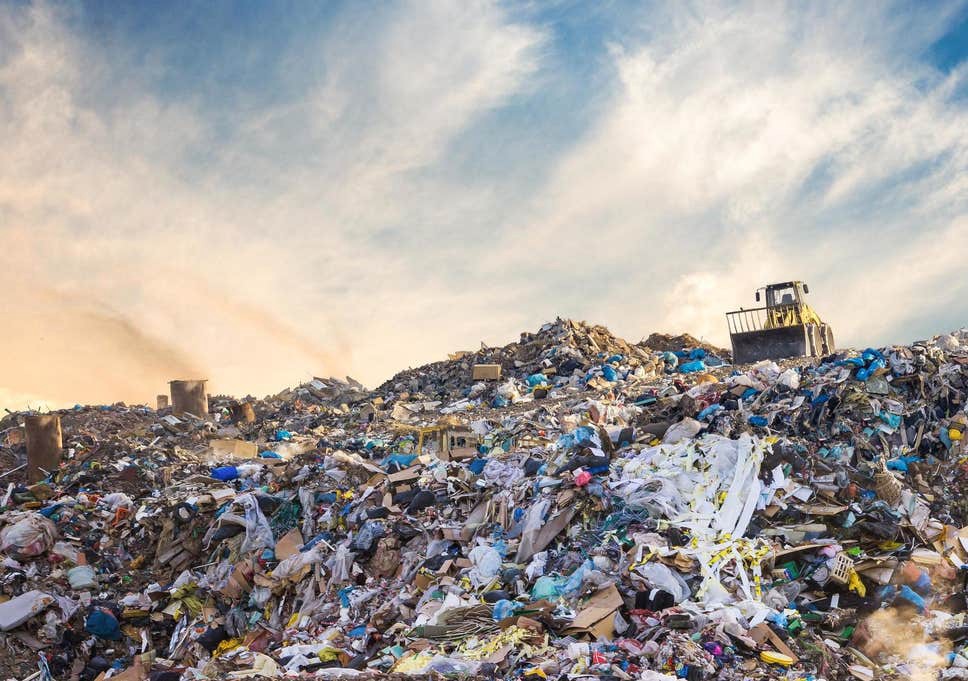
To appreciate this difference, it is helpful, to begin with, the clothes most people wear every day. Based on the recycling data mentioned above, there is a strong likelihood that these clothes are barely worn or not worn at all, and had ended up in landfills. If this unfortunate trend is not corrected, estimates indicate that, by 2050, the fashion industry will have used up more than a quarter of the carbon allocation on the planet, particularly that connected with the so-called “2C pathway” (Pandey). The higher demand for affordable and inferior quality fashion products had been connected with low-cost manufacturers, which are associated with the highest carbon footprints in the industry. Also, the growing shift in the utilization of more manmade materials is expected to increase the carbon impact of the fashion industry to problems associated with climate change. The “business as usual” behavior that the fashion industry embraces is expected to exacerbate the global pollution problem attributed to this industry (Organization for Economic Cooperation and Development n. p.).
The most difficult part in this situation is the inability of non-academic citizens, including the consumers of fashion products, to determine the impact of their consumption decisions on the climate, both locally and globally. Talks of “impact assessment” create echoes of the academic walls, which most consumers do not care about to burden their minds. Yet, it must be done and communicated to all consumers in a form that is highly accessible and digestible.
Thus, such highly technical methodologies, such as the so-called “IMPACT 2002+VQ2.2” (Quantis), must be left for the academics to tackle in the soft-lighted workspaces in their universities and research laboratories. Even if these matrixes utilize understandable concepts, such as “greenhouse gas (GHG) discharge levels, human health, and debilitation of freshwater resources”, consumers are more interested in information that they can use in making decisions to support or not the drive to reduce personal carbon footprints through products consumed, not just from fashion products.
In every country around the world, each consumer has the power to contribute to cutting down pollution materials even among countries where the world’s biggest apparel manufacturers operate, such as China, Bangladesh, and India (Quantis). If the world is to attain a zero GHG discharge output, the consumers must make the crucial choice of cutting down their carbon footprint. That could include a well-considered choice to cut down on their consumption of fashion products. This power, which consumers have but seldom exercise, can influence global environmental policies. If the consumers reduce the market for fashion products, the industry backing it up has no choice but to scale down their respective production capacities or suffer great losses from low market demand. Amanda Belluccio, a packaging specialist for Intercos America, says, “educating the consumer can be part of the solution.” She goes on to explain that, “Intercos has been trying to source recycled plastics for packaging along with urging our clients to educate their customers on where to send their empty components for recycling.”
Non-government organizations, such as the Fashion Industry Charter for Climate Actionunder the office of the United Nations, may not be necessary should the consumers decide. Gabriela Hearst CFDA Award winning clothing designer and eco conscious business woman said, “People say, ‘Oh you know we need to save the planet.’ No, no, no. Obviously you do not expose yourself to nature. You think you’re going to save the planet? Nature is a natural force. We are going to get exterminated.” (Washington Post) The most difficult endeavor is to persuade consumers to consider the effects of their consumption far beyond their likes and into the future needs of their children’s children and that of other people in their respective communities and around the world. Consumers must persuade themselves. That is the only hope for this world against environmental degradation.
Work Cited
Common Objective. “Can fashion Stop climate change?” Common Objective, 22 Nov. 2019. Web. https://www.commonobjective.co/article/can-fashion-stop-climate-change.
Organization for Economic Cooperation and Development. “Addressing Climate Change in the Fashion Sector: A Collaborative Approach.” OECD. Web. 22 Nov. 2019. https:// mneguidelines.oecd.org/OECD-Garment-Forum-2019-session-note-Addressing-climate-change-in-the-fashion-sector.pdf.
Pandey, K. (2018) “Fashion Industry May Use of Quarter of World’s Carbon Budget by 2050.” Down To Earth, 2018. Web. https://www.downtoearth.org.in/news/environment/fashion- industry-may-use-quarter-of-world-s-carbon-budget-by-2050-61183.
Quantis. “Measuring Fashion: Environmental Impact of the Global Apparel and Footwear Industries Study.” Quantis, Mar. 2018. Web. 22 Nov. 2019. https://quantis-intl.com/wp-content/ uploads/2018/03/measuringfashion_globalimpactstudy_full-report_quantis_cwf_2018a.pdf.
Givhan, Robin. “The Troubling Ethics of Fashion in the Age of Climate Change.” The Washington Post, WP Company, 18 Nov. 2019, https://www.washingtonpost.com/magazine/2019/11/18/troubling-ethics-fashion-age-climate-change/?arc404=true.

 Data Journalism 395