By Kayleen Robinson
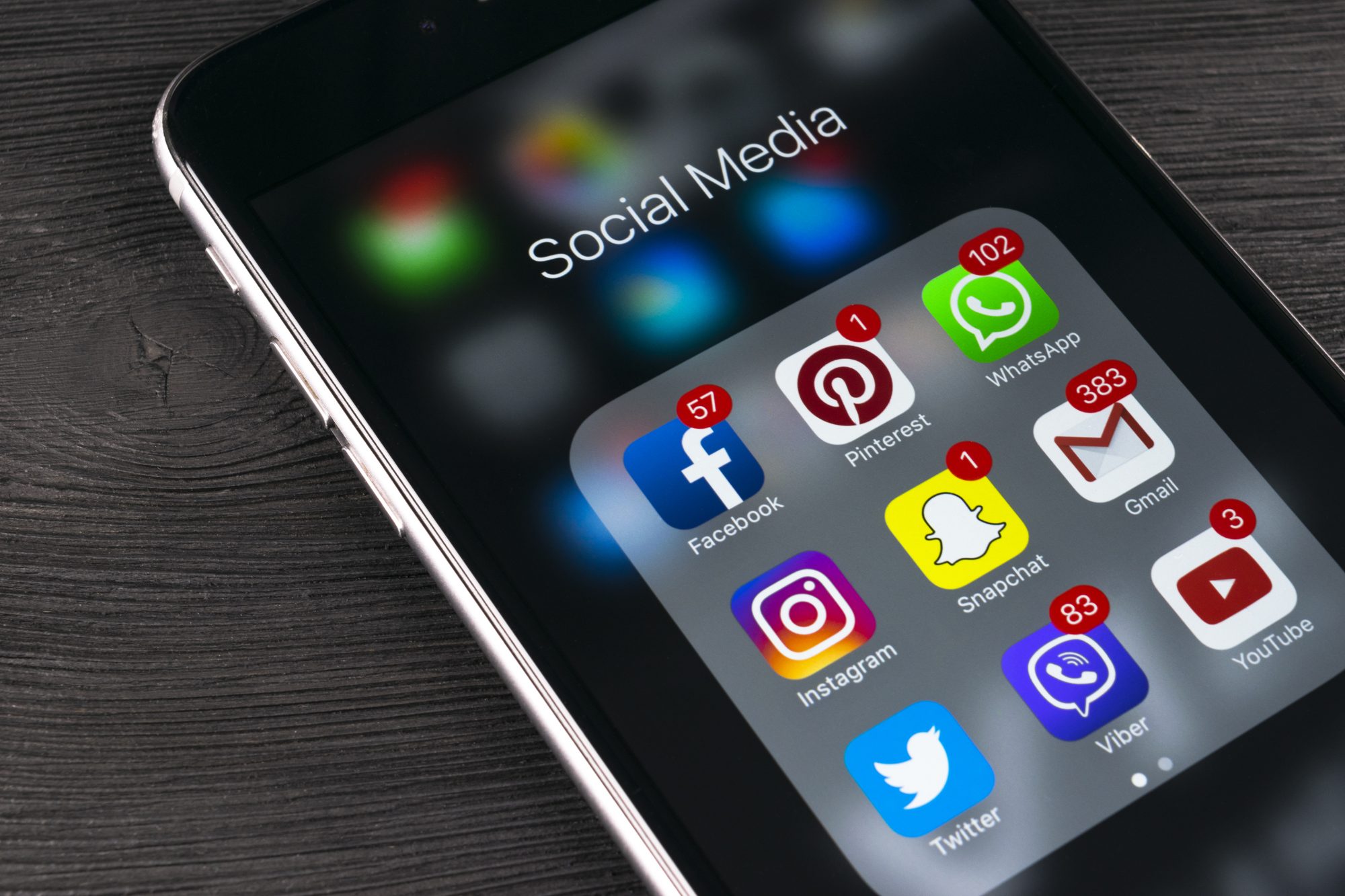
Journalists today have many advantages and disadvantages with social media growing so quickly. Considering that journalism is the collection and distribution of news in our communities, it is only natural that journalists use the newest trend of information outlets that influences the greatest current mass of people. Social media is used by about 57% of the world’s population, which is about 4.5 billion users. Then if you compare that number to the total number of readers The New York Times gets monthly which is only 350,000, you can see why journalists would want to utilize these internet platforms. The amount of user’s social media has is exponential compared to the world’s second biggest news outlet, this new trend has changed the way our world has connected with each other like no other time before. Journalists would not be using their greatest tool of their generation if they were not using social media platforms to spread awareness of their stories to the largest audience available.
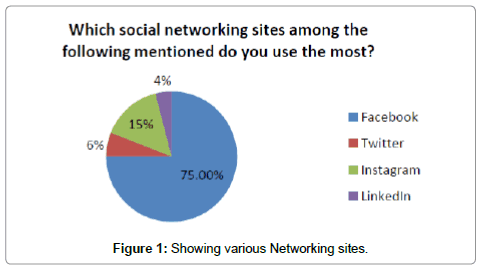
Social media offers users the chance to discover news before a professional journalist is able to create a story to tell their audience. Everyday people are constantly talking about the newest stories on platforms and sometimes in the most current times. Journalists at times are able to do their own research using what users are posting and sharing on their social media platforms to write their stories with the most updated and related information. However, even though social media gives people the chance to make certain claims and share any information they believe to be true, it can happen that it is a farce. Many people look to social media for news and information, because of the mass outlets, which leaves room for people to leave many false claims and information to help their own stories and narrations. Media manipulation can occur from any news outlet or personal user published on these platforms. According to data from the Pew Research Center, 45% of American adults use facebook as a news outlet, and half of those consumers only rely on Facebook for their news. Many reporters fear for misinformation considering 22% of the American adult population is using a social media platform for news in the world. The importance of reach is well thought out and effective, but the policing of content is loose which leaves those that post any information with a narration of whatever the publisher wishes.
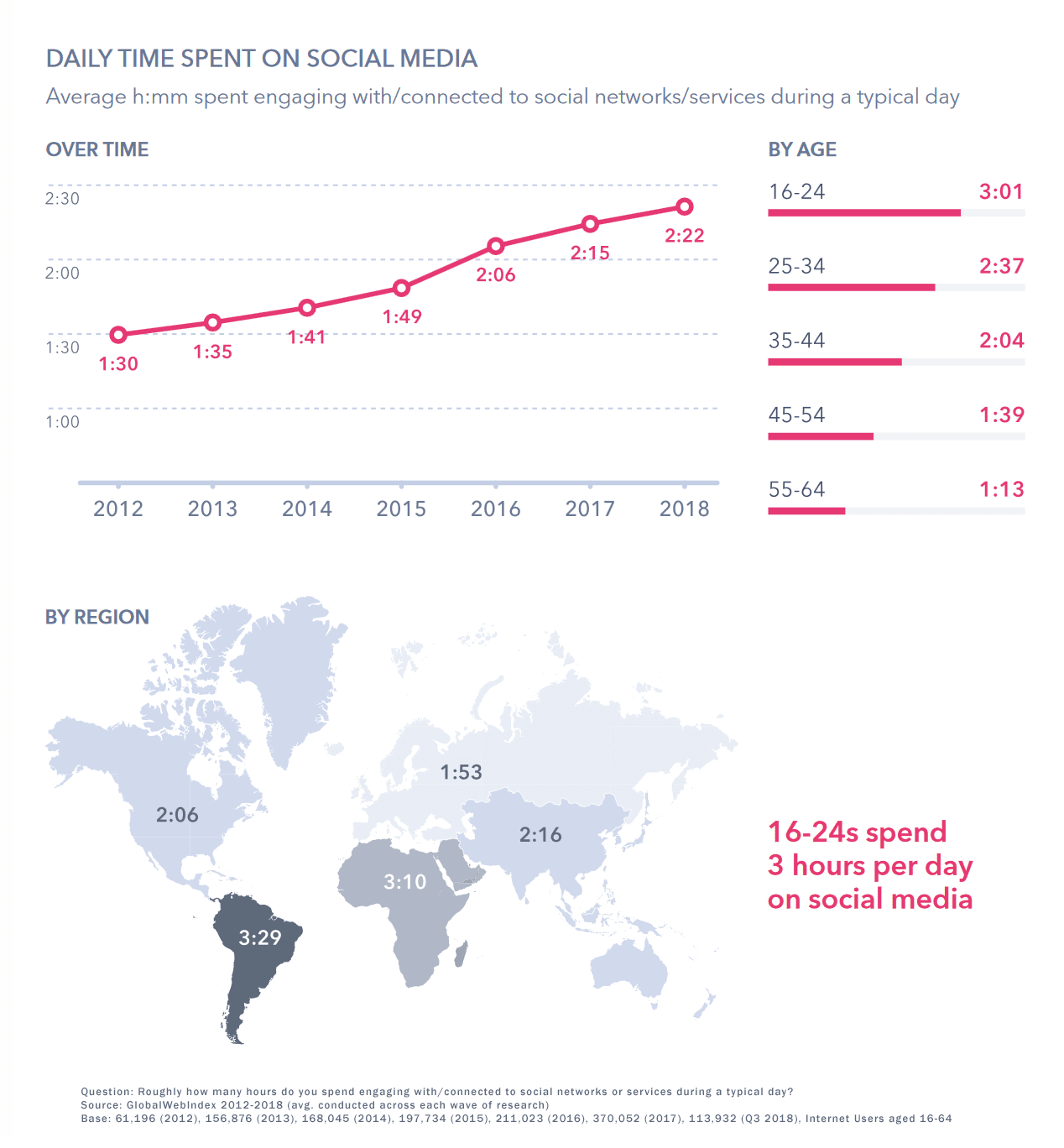
One can imagine with so many users, the amount of current news traffic these social media platforms can have. Based on the Twitter Usage Statistics website that calculates the current amount of tweets sent during the day, it reads that by the time that I finished this sentence, there would have already been 560,590,000 tweets sent out already (its 3pm). That being said, news will come and go just that fast as it is ambushed by all the other stories across the platforms coverage. This creates havoc for journalists to keep their stories as relevant and shared as possible, however it is their responsibility at the same time to ensure that the importance of their story gets the attention required to complete the mission of the story in the first place.
One aspect that I personally believe journalists do love about social media, is the amount of transparency it creates in our societies. The key aspect of social media is their camera functionality and the spread of photos and videos. These photos and videos are shared around the world showing people what they would not normally see from where they are restricted in their communities. To see is to be believed by many people, and although some have even learned to manipulate pictures and videos, it is still the main aspect relied on by many reporters and people if they want to believe a story. Social media enhances the saying that “a picture represents a thousand words”, and without it many people would not have belief in many things around the world. Social media offers people the chance to experience another part of the world without even being there. And in a journalist’s perspective, to be in the story without even being there. A journalist would not have trouble gaining their audience’s attention once they acquire the images they need to verify and spread their story.
Social media should be the main tool and platform successful journalists use to make it in their industry. Once they can master the potential social media platforms offer to them, they can help their audience from mislead information and exposing deceptions and share their stories to the greatest audience they can reach. Social media has a great effect on journalists, and it is up to those journalists on whether or not they let it destroy them or make them.

 Data Journalism 395